
Why the planning and control cycle must start with culture
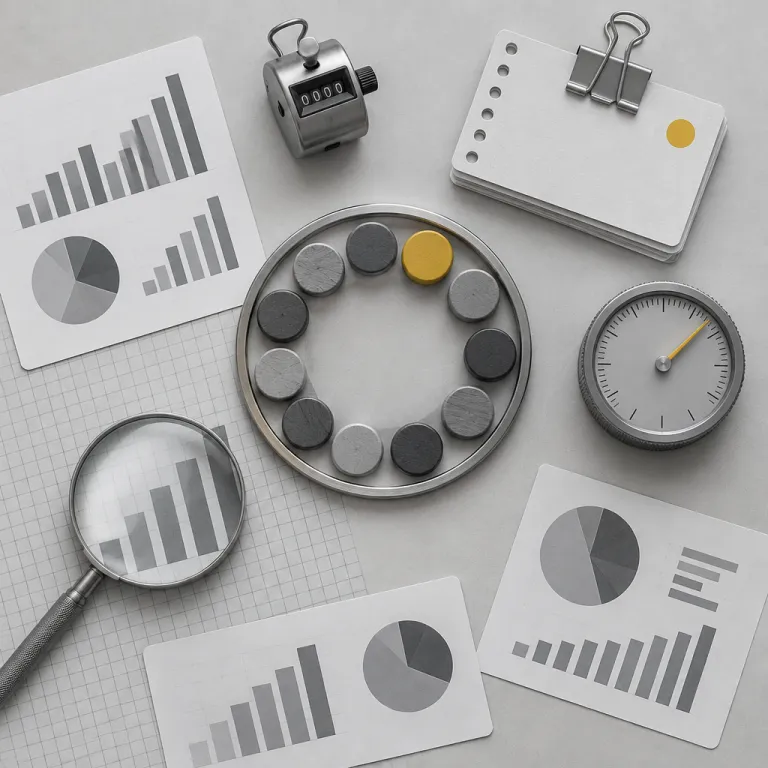
Corporate culture only becomes manageable when it is embedded in a disciplined planning and control cycle. When leaders treat culture as a structured loop with a clear phase for diagnosis, a phase for action, and a phase for review, they transform vague sentiments into a concrete management agenda. A robust culture plan then sits alongside the financial plan, the portfolio of projects, and the policy roadmap, instead of floating as an informal aspiration.
In a healthy control cycle, culture is integrated into every phase of the annual plan, not handled as a one off engagement survey. The same rigour used for financial planning, budget allocation, and risk management is applied to people metrics, so that the planning and control cycle links culture indicators to strategic decisions in real time. This approach forces each manager and each team to clarify how their daily process, their projects, and their behaviour either reinforce or undermine the desired culture.
When the planning and control framework includes culture, the sector context becomes explicit and measurable. A bank, a media company, and a manufacturing plant will not share the same culture KPIs, yet they can all use the same cycle logic to align culture with their long term strategy. The organisation then moves from inspirational posters to a repeatable control cycle where culture data informs promotions, investments, and the design of cross functional teams.
From values to KPIs: structuring the culture measurement phase
The most fragile phase of any planning and control cycle is the translation of values into measurable indicators. Many organisations jump from a glossy culture statement to an annual plan without defining which metrics will show whether the culture is actually changing in each team. A disciplined approach requires a clear plan that links every value to a small set of KPIs, both quantitative and qualitative, that can be tracked across the full cycle.
In this measurement phase, the manager must balance financial indicators with people centric ones, so that the control cycle does not reward toxic behaviour that boosts short term numbers. Boards increasingly request culture dashboards that sit next to financial reports, yet these dashboards often miss the deeper signals of trust, psychological safety, and ethical behaviour that shape long term performance. A well designed planning and control cycle therefore combines survey data, retention patterns, whistleblowing statistics, and even social media sentiment about the employer brand.
Culture KPIs should also reflect how projects are executed, not only how results look on paper. For example, a media sector organisation might track how often cross functional project teams share information openly, while an industrial firm might monitor how frequently frontline members raise safety concerns without fear. When the planning and control framework forces such indicators into the annual plan, the measurement phase becomes a genuine search for behavioural evidence rather than a compliance exercise.
Boards that want to close the engagement gap increasingly rely on culture dashboards that go beyond surface level scores, as illustrated by internal board packs that combine engagement data with ethics cases, exit interview themes, and risk incidents. By embedding these richer indicators into the planning and control cycle, leaders ensure that culture is not reduced to a single engagement number. Instead, the cycle of planning, acting, and reviewing becomes a continuous test of whether the lived culture matches the stated values.
Key culture metrics that belong in the planning and control cycle
Once the measurement phase is defined, the planning and control cycle must specify which culture metrics will be reviewed at each step of the cycle. At a minimum, organisations should track indicators related to trust, psychological safety, ethical behaviour, collaboration across teams, and perceived fairness of management decisions. These metrics should be integrated into the same plan that covers financial targets, operational projects, and risk management activities.
For example, a manager might include in the annual plan a target for reducing regretted turnover in critical teams, alongside a target for improving cross functional collaboration scores by a defined percentage. In parallel, the control cycle can monitor how many employees feel safe to challenge decisions, how often issues are escalated without retaliation, and how transparent the communication process is during major projects. These indicators can be tracked in real time through pulse surveys, exit interviews, and structured feedback sessions, rather than waiting for a single annual survey.
Digital channels such as internal social media platforms and collaboration tools also provide valuable signals about culture. Patterns of participation, tone of discussion, and the diversity of voices in online forums can be analysed as part of the planning and control cycle, while respecting privacy and ethical boundaries. Research and practitioner experience on the risks of over relying on headline engagement scores, including internal reviews of engagement data illusions, show why a richer set of culture KPIs is essential for credible planning and control.
When these metrics are embedded in the planning and control cycle, they influence decisions about budget allocation, leadership development, and the design of new projects. Culture then becomes a core part of the organisational control cycle, rather than a parallel conversation handled by HR alone. Over time, the repeated use of these indicators across each phase of the cycle builds a shared understanding of what a healthy culture looks like in that specific sector.
Embedding culture KPIs into budgets, projects, and management decisions
Metrics only matter when they shape how resources are allocated in the planning and control cycle. During the planning phase, leadership teams should explicitly link culture KPIs to the financial budget, so that investments in training, coaching, and ethical safeguards are treated as strategic, not discretionary. This means that each annual plan includes culture related objectives for every manager, every team, and every portfolio of projects.
In practice, the control cycle can require that any major project proposal includes a culture impact assessment, alongside the usual financial and operational analysis. For instance, a restructuring plan must specify how it will protect psychological safety, maintain trust, and support transparent communication across all members affected by the change. The planning and control cycle then tracks whether these commitments are honoured in real time, using both quantitative indicators and qualitative feedback from employees.
Sector specific nuances also matter when embedding culture into planning and control frameworks. A financial services firm may prioritise metrics related to ethical conduct and risk awareness, while a media organisation might focus on editorial independence, diversity of perspectives, and responsible use of social media by staff. In both cases, the long term health of the culture becomes a formal criterion in the control cycle, influencing promotions, bonuses, and the evaluation of leadership performance.
Consider a mid sized retail bank that faced rising misconduct complaints and declining engagement scores. The board mandated that every product launch include a culture impact section in the business case, covering customer fairness, sales pressure, and staff wellbeing. Within one year, the bank added three culture KPIs to its quarterly planning and control reviews: percentage of staff who feel safe to flag mis selling risks, number of customer complaints linked to sales incentives, and quality scores from mystery shopping. Over several cycles, this alignment between culture KPIs, budgets, and projects reduced misconduct incidents and restored trust in frontline teams.
Real time and long term views: balancing culture signals across the cycle
A mature planning and control cycle balances real time culture signals with long term trends. Short pulse surveys, feedback from town halls, and data from collaboration tools provide immediate insight into how teams experience current decisions. Yet the control cycle also needs multi year indicators that show whether the culture is becoming more resilient, inclusive, and ethically robust over time.
During each phase of the annual plan, leaders should review both short term and long term culture KPIs. For example, a manager might track weekly sentiment in a project team during a transformation, while also monitoring three year trends in internal mobility, diversity in leadership roles, and the frequency of ethical breaches. This dual approach prevents overreaction to temporary noise while ensuring that the planning and control cycle remains sensitive to early warning signs of cultural erosion.
Real time data can be especially valuable when the organisation faces crises or rapid change. When a controversial policy decision is announced, monitoring internal social media discussions and direct feedback channels helps leadership adjust communication and support in the next phase of the cycle. Over the long term, patterns in these signals inform strategic planning, such as where to invest in leadership development, which teams need targeted support, and how to refine the overall planning and control framework.
By treating culture as both a short term and long term asset, organisations avoid the trap of viewing engagement as a one off event. The planning and control cycle then becomes a continuous learning process, where each cycle of planning, acting, and reviewing deepens the collective understanding of what drives a healthy culture. This disciplined rhythm strengthens trust between management and employees, because culture commitments are tracked and honoured over time.
Governance, accountability, and the human side of the planning and control cycle
Governance is the backbone that keeps the planning and control cycle credible when it comes to culture. Clear roles, transparent decision rights, and explicit accountability for culture KPIs ensure that the control cycle does not become a box ticking exercise. Boards, executive committees, and middle management must all understand how their responsibilities intersect across each phase of the cycle.
At board level, culture should be a standing agenda item linked to both financial performance and risk oversight. Directors can request regular updates on culture metrics, challenge management on weak signals, and ensure that the annual plan reflects the desired cultural direction. In turn, executive teams translate these expectations into concrete objectives for each manager, each team, and each portfolio of projects, embedding them into the planning and control framework.
The human side of the cycle is equally important, because metrics alone cannot shift behaviour. Leaders need to model the desired culture in daily interactions, from how they handle mistakes to how they respond to dissent on internal social media channels. When employees see that culture KPIs influence real decisions in real time, their trust in the planning and control cycle grows, and they are more likely to share honest feedback that improves the next phase of planning.
Over several iterations, the planning and control cycle becomes a shared language that connects strategy, culture, and operational reality. Each cycle reinforces the message that culture is not a soft add on but a core element of organisational control, on par with financial and operational metrics. This alignment between governance, accountability, and human experience is what ultimately turns culture from a slogan into a sustained competitive advantage.
Key figures on culture measurement and planning cycles
- Analyses based on McKinsey & Company’s Organizational Health Index have reported that organisations with strong, aligned cultures are significantly more likely to achieve superior total returns to shareholders than those with weak cultures, highlighting why culture KPIs belong in every planning and control cycle.
- A global survey by Deloitte in its Global Human Capital Trends series indicated that many executives see culture as critical to performance, yet only a minority feel they measure it effectively within their annual planning processes, underscoring the need for structured culture dashboards.
- Gallup’s State of the Global Workplace research has shown that highly engaged business units can achieve materially higher profitability compared with low engagement units, which reinforces the financial relevance of integrating engagement and culture metrics into the planning and control cycle.
- Studies by the Institute of Business Ethics, including its Ethics at Work surveys, have found that companies with stronger ethical cultures tend to experience fewer misconduct incidents, reinforcing the need to track ethics related KPIs as part of the broader control cycle.
FAQ about culture metrics in the planning and control cycle
How often should culture metrics be reviewed within the planning and control cycle ?
Culture metrics should be reviewed at least quarterly within the planning and control cycle, with lighter real time monitoring through pulse surveys and feedback tools. Quarterly reviews allow leaders to adjust the annual plan, address emerging risks, and refine interventions before issues become entrenched. Annual deep dives can then focus on long term trends and structural changes in the culture.
Which culture KPIs are most useful for management decisions ?
The most useful culture KPIs combine engagement, psychological safety, ethical behaviour, and collaboration indicators. Examples include regretted turnover in key roles, frequency of speaking up without retaliation, perceived fairness of decisions, and cross functional cooperation scores. These metrics directly inform decisions about promotions, resource allocation, and the design of strategic projects.
How can small organisations apply a planning and control cycle to culture ?
Smaller organisations can use a simplified planning and control cycle by focusing on a few critical culture KPIs and reviewing them regularly in leadership meetings. They can integrate culture goals into their annual plan, track progress monthly, and use informal feedback channels to gather real time insights. The key is consistency across each phase of the cycle, not the complexity of the tools.
What role should HR play in the culture control cycle ?
HR should act as the architect and steward of culture metrics within the planning and control framework, but not as the sole owner. Business leaders and line managers must share accountability for culture KPIs, because they control daily behaviour and decisions. HR provides tools, analytics, and facilitation, while the wider management team embeds culture into budgets, projects, and governance.
How do digital tools and social media affect culture measurement ?
Digital collaboration platforms and internal social media channels create new data sources for understanding culture in real time. Patterns of participation, tone of discussion, and the spread of information can reveal trust levels and inclusion gaps that traditional surveys might miss. When used ethically and transparently, these signals enrich the planning and control cycle and support more responsive management decisions.