Why generational workplace culture design is now a talent filter
Generational workplace culture design is no longer a branding exercise for the office; it is a hard filter in your talent pipeline. When 99% of Gen Z candidates say diversity, equity and inclusion matter and 87% rate it as very important, according to surveys such as the 2020 Tallo Gen Z & Millennial Survey (over 2,400 respondents) and the 2021 Monster Future of Work report (surveying more than 1,000 young job seekers), they are using your workplace as a proxy for whether leadership understands power, fairness and long term career risk. For a Chief People Officer, that means generational culture design becomes a core element of workforce strategy, not a side project for an employee resource group.
Think about how each generation enters work with different economic scars and expectations about stability, flexibility and purpose driven impact. Baby boomers and other older workers often value security, defined roles and clear leadership hierarchies, while many millennials and younger employees expect flexible work life patterns, transparent pay and visible support for mental health. A multigenerational workforce now evaluates the same office environment through very different lenses, and those generational differences shape whether people feel safe enough to do their best work.
Generational workplace culture design therefore asks a different question; not how to please one age group, but how to build norms that work across four generations simultaneously. A multigenerational workplace must integrate the needs of baby boomers, Generation X, millennials and Generation Z without stereotyping any generation. The goal is to create an inclusive office where each generation brings distinct strengths to the workplace and where career employees across age groups see a coherent system of support, development and accountability.
DEI as a non negotiable expectation, not a perk
For Gen Z, DEI is not a nice to have; it is a prerequisite for even considering work in your organisation. When candidates scan your workplace signals, they look beyond office design photos and ask whether leadership has embedded equity into promotion criteria, performance reviews and access to development programmes. If your generational workplace culture design treats DEI as a campaign instead of an operating system, you will lose this generation before the first interview.
That expectation now extends across generations, because millennials and many mid career professionals have already lived through performative diversity statements that never changed who held power. Career employees in their thirties and forties compare your stated values with who actually sits on the leadership team, who gets stretch assignments and how cross generational conflicts are handled in real time. When they see a multigenerational workforce where older workers and younger employees both benefit from transparent processes, they infer that the office environment is designed for fairness rather than optics.
One practical lever is communication about DEI that respects different communication preferences while reinforcing shared standards. Some employees prefer concise async updates, while others value live discussions and Q and A sessions about sensitive topics such as pay equity or bias in promotion decisions. Well crafted DEI newsletters and internal briefings, such as those described in this analysis of inclusive corporate cultures, can align generations around common expectations without forcing everyone into the same communication channel.
Designing inclusive policies that work across four generations
Inclusive policies are where generational workplace culture design becomes visible in daily work, not just in leadership speeches. Start with flexibility, because work life expectations differ sharply between age groups and generations, yet all employees need some control over time and place. Older workers may want reduced hours or phased retirement options, while younger employees often seek remote work, compressed weeks or flexible start times to manage side projects and caregiving.
Policy design should therefore focus on principles that can be applied consistently across the multigenerational workforce. For example, a flexibility framework that defines eligibility, performance standards and collaboration norms can serve baby boomers, Generation X, millennials and Gen Z without privileging one generation. The same logic applies to learning and development policies, where cross generational access to coaching, mentoring and stretch assignments signals whether the organisation truly supports career growth for all age groups.
Risk management also sits inside inclusive policy design, especially when regulators and courts scrutinise DEI claims. The recent scrutiny of corporate diversity statements, including high profile settlements such as those analysed in this review of DEI programme accountability, shows that leadership can no longer treat DEI as marketing copy. Generational workplace culture design must therefore align inclusive policies with verifiable data, clear governance and transparent communication, so that employees across generations trust that commitments to fairness are backed by measurable action.
Reverse mentoring and cross generational learning as culture infrastructure
Reverse mentoring has re emerged as a powerful tool for generational workplace culture design, because it operationalises respect across age groups. In a reverse mentoring programme, younger employees coach senior leaders on topics such as digital culture, social justice language, new communication preferences and emerging technologies, while older workers share institutional memory, strategic judgment and political navigation skills. This creates a multigenerational workplace where each generation brings expertise that the other genuinely needs, rather than reinforcing stereotypes about who teaches and who learns.
When designed well, reverse mentoring becomes part of leadership development and not a side project. Pairings are structured around clear objectives, such as improving inclusive office norms, redesigning office design for hybrid work or stress testing policies for unintended generational differences. Metrics can include retention of high potential millennials and Gen Z employees, promotion rates for underrepresented employees and qualitative feedback about psychological safety in cross generational meetings.
Case studies illustrate the impact. At one global professional services firm, a reverse mentoring initiative that matched 150 senior partners with Gen Z and millennial mentors led to a 12% increase in engagement scores for junior participants and a 9% rise in promotion rates for underrepresented talent over two years, according to internal HR analytics. A large technology company reported that senior leaders who completed a structured reverse mentoring cycle were 20% more likely to sponsor cross generational project teams, which correlated with higher retention among early career employees.
Communication norms, feedback styles and the office environment
Communication preferences are often where generational myths show up first, yet they are also where generational workplace culture design can create real leverage. Some employees, often but not always older workers, prefer synchronous meetings, phone calls and structured agendas in the office, while many younger employees lean toward async tools, chat and collaborative documents. The task for leadership is not to pick a winner, but to design communication norms that allow the multigenerational workforce to coordinate effectively without exhausting any age group.
One practical approach is to define a small set of default channels for different types of work, then train managers to flex based on team composition. For example, complex decisions might require a live meeting with clear pre reads, while routine updates can move to async channels that respect work life boundaries across generations. Feedback norms should also be explicit, because some generations grew up with annual reviews while others expect continuous micro feedback and transparent career conversations.
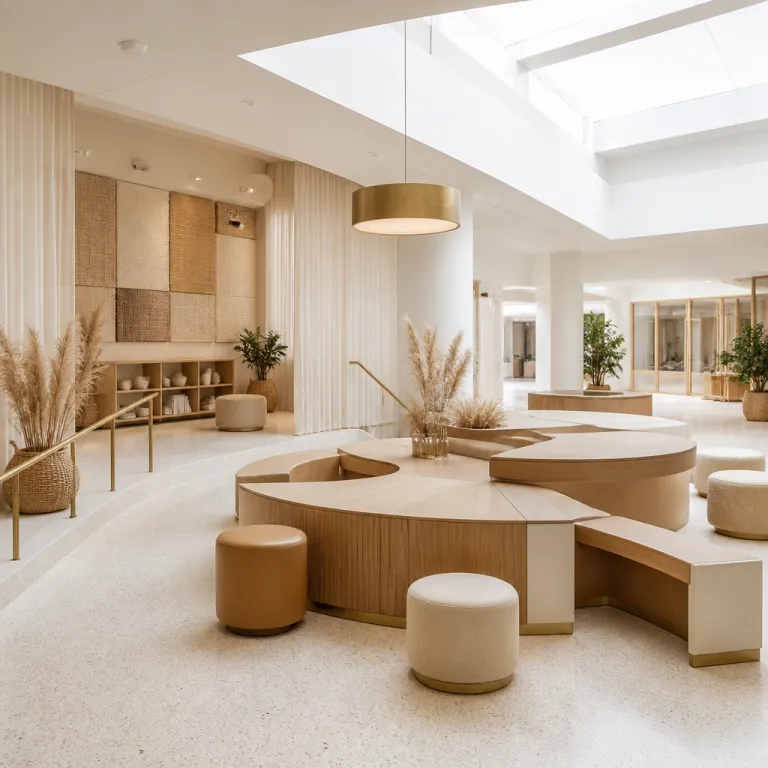
The physical and digital office environment must reinforce these norms. Office design that includes quiet zones, collaboration spaces and accessible technology allows employees from different generations to choose the setting that best supports their best work. In a multigenerational workplace, an inclusive office layout, combined with clear etiquette for hybrid meetings, signals that generational workplace culture design has considered both the needs of baby boomers and the expectations of millennials and Gen Z cohorts.
Avoiding the stereotyping trap in generational culture work
Generational labels can be useful as a starting point for analysis, but they become dangerous when they harden into stereotypes that shape decisions about work, promotion or leadership potential. Generational workplace culture design must therefore treat data about generations as context, not destiny, and avoid assuming that every member of a generation brings the same expectations or communication preferences. The risk is especially high when managers use casual narratives about boomers or millennials to explain performance issues instead of examining systems, workload or unclear goals.
One way to avoid this trap is to focus on observable behaviours and structural conditions rather than personality stories about age groups. For example, if younger employees seem disengaged in the office, leadership should examine whether meeting formats, decision rights or development pathways actually allow them to contribute their best work. Similarly, if older workers resist a new tool, the question should be whether training, time and support were adequate, not whether a generation is inherently resistant to change.
Generational workplace culture design also benefits from involving employees directly in diagnosing friction points and co creating solutions. Mixed age design sprints, listening sessions and pulse surveys can surface where generational differences are real and where they are masking deeper issues such as workload inequity or unclear strategy. When leadership communicates that the goal is to build a purpose driven, high performance workplace for all employees, not to caricature any generation, trust in the process increases and cross generational collaboration improves.
From values to operating system: making DEI generationally durable
To translate Gen Z's 99% DEI expectation into durable practice, organisations must embed equity into the operating system of work. That means aligning hiring, promotion, pay, performance management and leadership development with clear standards that apply across generations and age groups. When employees see that the same rules govern career opportunities for baby boomers, Generation X, millennials and younger cohorts, they infer that generational workplace culture design is serious, not symbolic.
Measurement is central to this shift, because leadership needs hard data to manage a multigenerational workforce fairly. Tracking promotion rates, pay equity, performance ratings and access to development by generation, gender and other dimensions allows you to identify where generational differences in outcomes signal structural bias rather than individual choice. Tools such as pay equity analytics, described in this review of how pay equity software shapes fairer workplaces, can help translate DEI commitments into quantifiable action that employees across generations can see.
Finally, generational workplace culture design requires leaders to model the norms they want the workforce to adopt. When executives show up in cross generational forums, invite challenge from younger employees, sponsor older workers into new roles and adjust their own communication preferences, they signal that culture is not a poster but a practice. Culture, after all, is not values on a wall, but norms in a meeting.
Key statistics on generational culture and DEI expectations
- Gen Z candidates report that 99% consider DEI important when evaluating employers, and 87% consider it very important, which means DEI now functions as a primary filter in early talent attraction rather than a secondary benefit.
- Multigenerational teams outperform age homogeneous teams on innovation metrics, with research from organisational behaviour studies and consulting reports such as BCG's 2018 diversity and innovation study (which surveyed more than 1,700 companies across eight countries) showing that mixed age groups generate more diverse ideas and higher quality solutions when psychological safety is present.
- Reverse mentoring programmes have seen a resurgence in large organisations, with internal HR data from several global companies indicating higher engagement scores among both junior and senior participants compared with control groups.
- Flexible work policies that are explicitly designed for multiple generations correlate with higher retention, as shown in surveys where employees with access to flexible arrangements report significantly greater intent to stay than those without such options.
- Organisations that integrate DEI metrics into leadership performance reviews report more consistent progress on representation and pay equity, suggesting that tying DEI outcomes to leadership accountability is a critical lever for generational workplace culture design.
FAQ on generational workplace culture design and DEI
How should leaders balance different generational expectations without creating silos ?
Leaders should design shared principles that apply to all employees, then allow local flexibility in how teams implement those principles. For example, define organisation wide standards for respect, feedback and flexibility, while letting teams choose specific tools and rituals that fit their mix of generations. This approach prevents generational silos while still acknowledging real differences in needs and preferences.
What is the first step to align DEI with generational workplace culture design ?
The first step is to audit your current employee experience data by generation, including hiring, promotion, pay, performance ratings and engagement. This reveals where outcomes differ across age groups and where policies may unintentionally favour one generation. With that evidence, you can prioritise changes that improve fairness for the entire multigenerational workforce.
How can reverse mentoring programmes avoid being symbolic ?
Reverse mentoring must be tied to concrete objectives and leadership accountability to avoid becoming symbolic. Set clear goals for what senior leaders will learn, how they will apply those insights to policy or behaviour changes and how progress will be measured. When junior mentors see their input reflected in real decisions, trust and cross generational respect increase.
Do flexible work policies mainly benefit younger generations ?
Flexible work policies benefit all generations when they are designed around roles and outcomes rather than age. Older workers may use flexibility for health or caregiving, while younger employees may use it for education or side projects, but both groups gain autonomy and better work life integration. The key is to apply flexibility criteria consistently and transparently across the workforce.
How can organisations prevent generational stereotypes from influencing talent decisions ?
Organisations should train managers to focus on behaviours, outcomes and skills rather than generational labels when making talent decisions. Structured interviews, calibrated performance reviews and clear promotion criteria reduce the space for stereotypes about boomers, millennials or Gen Z to drive judgments. Regular audits of decisions by generation can also surface patterns that require corrective action.
For talent leaders, a practical next step is to build a short roadmap: diagnose generational outcomes with data, redesign two or three core policies for cross generational fairness, pilot a reverse mentoring or mixed age project programme with clear metrics and then hard wire DEI and generational culture indicators into leadership scorecards. Iterating through that cycle turns generational workplace culture design from an abstract aspiration into a repeatable operating discipline.